The Importance of Art Music Phys Ed in Elementary School
ten Reasons Why Kids NEED Art & Music
Art and music are critical for our youth.
Art and music are critical for our youth. Whether they are exposed to art and music in school or through private or customs classes and lessons, the benefits are incredible. Art and music exposure does more than provide a creative outlet for kids; they provide mental, emotional, and educational benefits -- and more.
Below are 10 incredible reasons our kids need arts and music in their lives:
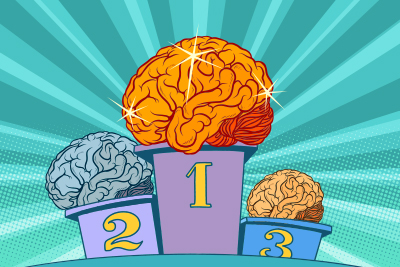
1. Music Boosts Immature Brains
Immersing children in music can help heave their brain ability. Music stimulates the parts of the encephalon associated with bookish achievement, such as reading and math, and emotional evolution. Instead of viewing music as an extracurricular activity, consider information technology an overall part of your child'southward teaching.

2. Art Improves Academic Achievement
Students involved in the arts have tremendous academic benefits compared to students without exposure to the arts. Art inspires kids to excel in and out of the classroom. It helps students stay in school, increases motivation, improves attitudes and attendance, and improves academic functioning.
Co-ordinate to Americans for the Arts, a educatee involved in the arts is:
-
4x more likely to be recognized for academic achievement.
-
4x more likely to participate in a math or science fair.
-
3x more likely to win an honor for schoolhouse attendance.
-
3x more probable to be elected to class office.
Lower income or socioeconomic students feel even greater benefits from the arts. Low income students highly engaged in the arts are more than twice as likely to graduate compared to their peers with no arts education, and have a 5x lower dropout charge per unit.

three. Music Tin Better Memory
Desire your kids to remember their homework assignments, where they put their shoes, or to brush their teeth before bed? Music might assistance. Research has shown that participation in music at an early historic period can help ameliorate memory. Exposing children to music in early evolution helps them acquire word sounds and meanings, and dancing helps build motor skills. Fifty-fifty adults can experience memory benefits from merely listening to music.

4. Music and Art Enhance Creativity
This may sound like an obvious benefit, only the furnishings of enhanced creativity will extend to many aspects of your child's life. Children develop innovation skills when they're encouraged to express themselves and take risks in creating art and playing music. Those skills can open up doors later in life; 72% of employers say that creativity is the #1 skill they expect for when hiring.

5. Music Improves Social Skills
It's non always squad sports that teach important social skills; playing an instrument tin can aid, too. Music groups and ensembles tin can assistance kids develop important life skills such as teamwork, developing leadership skills, discipline, and how to relate to others.

vi. Art and Music Improves Language and Reading Skills
Children's brains develop faster with music, particularly in areas associated with linguistic communication acquisition and reading skills, according to a 2016 study at the Academy of Southern California's Brain and Creativity Institute.
For immature children, making arts provides opportunities for linguistic communication development. Toddlers learn words for colors and shapes as they create art. If you want to encourage linguistic communication learning, communication, and reading in your kids, art and music are essential.

7. Art and Music Enhance Disquisitional Thinking Skills
The creativity involved in fine art pedagogy strengthens disquisitional thinking skills for kids. Visually learning through drawing, sculpting, and painting develops visual-spatial skills. This teaches kids how to translate and use visual information.
As for music, a study of 3-4 year olds learning to play piano scored significantly higher on spatial-temporal reasoning tests compared to those with no music pedagogy. Spatial-temporal reasoning is a precursor to logical thinking, abstract thinking, and problem solving needed for the brain to role in mathematics, engineering, and physics.

8. Art and Music Build Confidence
As kids develop skills in art and music, and improve those skills through repetition and practice, they build confidence in themselves. Studies have shown that when children participate in arts activities with peers and provide criticism and praise to one another, the feedback they requite to each other builds self respect.

ix. Art and Music Creates Cultural and Personal Connections
Immersion in art and music can foster a sense of cultural awareness in kids. As students translate visual imagery from artists and learn nigh art history, information technology helps them understand the concept of cultural diverseness. Seeing a dissimilar culture explored through a visual medium such as sculptures or paintings helps kids process information differently than reading about it in a text book.
Learning virtually musical history and exploring different types of music tin can help kids connect with unlike cultures. Art and music assistance people experience more connected to ane another, equally well.

x. Art and Music Instills Discipline
Dedicating themselves to art and music teaches kids important concepts of field of study. While some kids may testify a natural talent in one surface area or another, the truth is that ongoing delivery and practise is required to ameliorate. Past committing to stick with lessons and practicing outside of classrooms and lessons, kids learn discipline skills that will do good them in many aspects of life.
Immersing children in the arts and music, at home, through lessons, at school and in the community, provides undeniable benefits that will help them throughout their lives.
Source: https://www.artandmusiccenter.com/blog/2019/4/23/10-reasons-why-kids-need-art-and-music
0 Response to "The Importance of Art Music Phys Ed in Elementary School"
Post a Comment